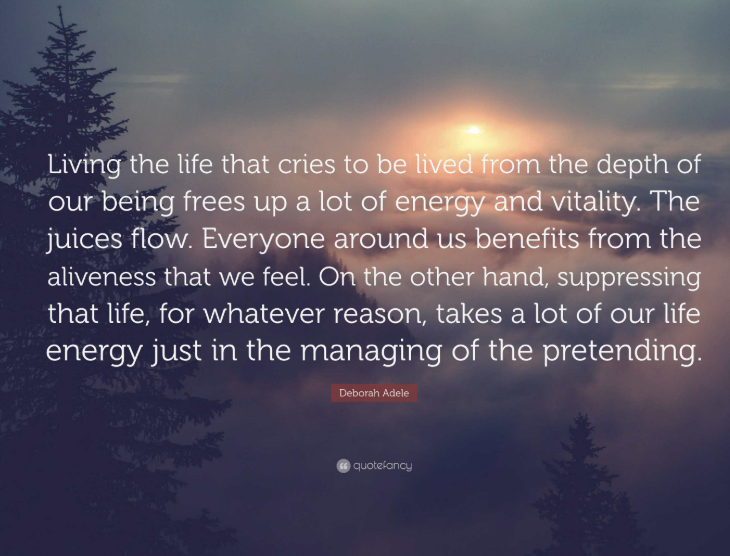
Becoming a better leader today isn’t about doing more. It’s about becoming more present, regulated and alive. This Is Embodied Leadership.
Most of the leaders I work with are already highly capable. They are intelligent, experienced, emotionally aware, and successful by any external measure. They know how to perform, decide, influence, and deliver.
And yet, beneath the competence, many quietly name the same thing:
“Something feels missing.”
“I’m effective, but not energised.”
“I’ve built a life that works — but it costs me.”
This is not a motivation problem. It is not a confidence gap.
And it is not solved by another tool, framework, or leadership model.
It is a state-of-being issue.
Leadership Is Not Just Cognitive. It Is Physiological.
How a leader thinks, feels, and regulates their internal state directly shapes:
- decision quality
- relational trust
- resilience under pressure
- cultural tone
- capacity for innovation
People do not primarily respond to what leaders say.
They respond to how leaders are being.
Presence, nervous-system regulation, and emotional coherence are not “soft skills”.
They are performance multipliers.
The Hidden Cost of Stress-Based Leadership
Modern leadership often runs on:
- constant urgency
- chronic responsibility
- over-functioning
- emotional compression
- sustained sympathetic activation
This mode is normalised — even rewarded — but it is expensive.
It drains energy, narrows perception, limits creativity, and eventually leads to burnout, disengagement, or relational breakdown (at work and at home).
Many leaders are not failing.
They are over-adapted.
From Survival to Coherent Leadership
The shift I work with leaders to make is not behavioural — it is internal and embodied.
From:
- reactivity → regulation
- control → coherence
- performance → presence
- endurance → sustainable power
This is leadership that does not rely on willpower or armour.
It is leadership that feels:
- grounded rather than driven
- calm rather than collapsed
- authoritative without force
- relational without self-betrayal
Why Aliveness Matters in Leadership
Aliveness is often misunderstood as indulgent or irrelevant in senior roles.
In reality, aliveness equals available energy.
Leaders who have access to vitality, pleasure, and embodied awareness demonstrate:
- greater adaptability
- clearer intuition
- more relational intelligence
- higher tolerance for uncertainty
- better decision-making under pressure
This is not about excess or charisma.
It is about capacity.
Intimacy, Reframed for the Workplace
In leadership contexts, intimacy means:
- emotional presence
- relational attunement
- the ability to stay connected under tension
- the capacity to have difficult conversations without defensiveness
Leaders who lack this often default to control or avoidance.
Leaders who develop it build trust quickly, lead mature cultures, and retain people.
This is not therapy.
It is advanced relational competence.
Why Skills Alone Don’t Create Lasting Change
Most leadership development focuses on:
- behaviours
- competencies
- tools
These matter — but they do not stick if the internal operating system remains unchanged.
Sustainable change happens when:
- identity shifts
- the nervous system learns a new baseline
- leaders feel different in themselves, not just act differently
This is why many leaders revert after programmes end.
My Work: For Leaders Who Are Already Capable
I work with senior leaders who are not looking to “fix” themselves.
They are looking to:
- lead without self-erasure
- access authority without hardness
- reconnect to vitality without losing credibility
- bring more of themselves into their leadership — not less
The work is practical, grounded, and immediately applicable.
It does not require leaders to become “spiritual”, overshare, or perform vulnerability.
It meets them where they are — and develops what’s next.
The Invitation
If you are a leader who has mastered performance but senses that aliveness, presence, or depth is the next edge — this work may be for you.
Not to add more.
But to reorganise from within.
Because leadership that costs you your health, relationships, or sense of vitality isn’t sustainable — no matter how successful it looks from the outside.

View comments
+ Leave a comment